Written by: Doug Camplejohn, CEO & Co-Founder, Coffee | Last updated: August 14, 2026
Key Takeaways for Replacing Warmly
- Warmly delivers only 5–20% person-level visitor identification, so sales teams receive raw lists with no clear next step.
- Modern tools need to identify visitors, suggest buyer-matched contacts, and sync enriched records into Salesforce or HubSpot automatically.
- Coffee is the only platform that combines visitor identification, persona-based lead suggestions, and native CRM automation in a single agent.
- Teams save 8–12 hours each week when they remove manual contact creation, activity logging, and pipeline review prep.
- Start identifying your visitors with Coffee today.
Where Warmly Fits in Your Revenue Stack
Warmly places a tracking pixel on your site, resolves the visiting IP address against a network of 20+ data partners, and surfaces a list of companies and potential contacts inside its dashboard. Realistic production benchmarks are 30–65% company-level and 5–20% person-level identification, with higher rates seen only in US-only demo traffic.
The structural problem is activation. Even when Warmly identifies a visitor, teams often lack automated triggers that send that data into a CRM or sequencer. As a result, a large share of identified visitor data sits unused. Warmly surfaces a signal but does not close the loop from that signal to a named, enriched contact ready for outreach inside Salesforce or HubSpot.
Remote work, VPN usage, and privacy changes reduce match accuracy, with realistic company-level match rates ranging from 30% to 65% depending on methodology and traffic across visitor identification tools. Warmly operates at the lower end of that range for person-level resolution.
Top 5 Warmly Alternatives for Sales Teams in 2026
- Coffee identifies visitors, suggests the exact two or three contacts inside the visiting company who match your buyer persona, and syncs enriched records to Salesforce or HubSpot automatically. It is also available as a standalone CRM.
- RB2B delivers person-level identification for U.S. traffic by matching visitors to LinkedIn profiles and verified business emails with alerts in under five minutes, but it does not suggest which contacts to prioritize or sync to CRM natively.
- Leadfeeder (Dealfront) identifies companies visiting a website in real time via IP-to-company lookup against a database covering 60 million companies and syncs to Salesforce and HubSpot, but it operates at the company level rather than the individual level.
- ZoomInfo WebSights uses visitor identification with a large contact database and third-party intent signals to surface decision-makers, but it requires a separate ZoomInfo subscription and introduces cost complexity.
- Sona captures first-party intent signals via cookieless tracking, identifies anonymous visitors at both account and contact level, and syncs data directly into CRM records, but it lacks the suggested-lead layer that narrows outreach to specific individuals.
See how Coffee’s suggested leads and native CRM sync compare to your current stack.
Visitor Identification Comparison Table
| Platform | Suggested Leads | Salesforce / HubSpot Companion | Pipeline Intelligence | Pricing Model |
|---|---|---|---|---|
| Coffee | Yes, recommends the specific 2–3 contacts inside a visiting company who match your buyer persona, with LinkedIn profiles surfaced for instant outbound. | Yes, native companion app writes enriched contacts, activities, and visitor signals directly to existing Salesforce or HubSpot instances, and Coffee is also available as a standalone CRM. | Yes, Pipeline Compare visualizes week-over-week deal changes automatically, so teams avoid manual CSV exports. | Simple seat-based pricing, with agent labor included at no additional metering cost. |
| RB2B | No, delivers person-level LinkedIn profile alerts for U.S. visitors but does not rank or suggest which contacts to prioritize. | No native CRM sync, so teams rely on manual export or third-party automation. | No pipeline intelligence layer. | Subscription-based, focused on U.S. traffic only. |
| Leadfeeder | No, surfaces contacts from a 400M-record database but does not suggest which individuals to prioritize against a buyer persona. | Yes, bidirectional sync with Salesforce, HubSpot, Pipedrive, Dynamics 365, and Zoho. | No dedicated pipeline intelligence, so teams rely on the CRM for deal tracking. | Per-seat subscription, separate from CRM cost. |
| Warmly | No, delivers raw people lists at the lower person-level rates mentioned earlier without persona-based prioritization. | Partial, CRM integrations exist but a significant portion of identified data goes unused without automated activation. | No pipeline intelligence layer. | Per-seat subscription with add-on costs for enrichment credits. |
The table above shows that Coffee is the only platform combining suggested leads, native CRM integration, and pipeline intelligence in one agent.

Choosing a Warmly Alternative That Fits Your CRM
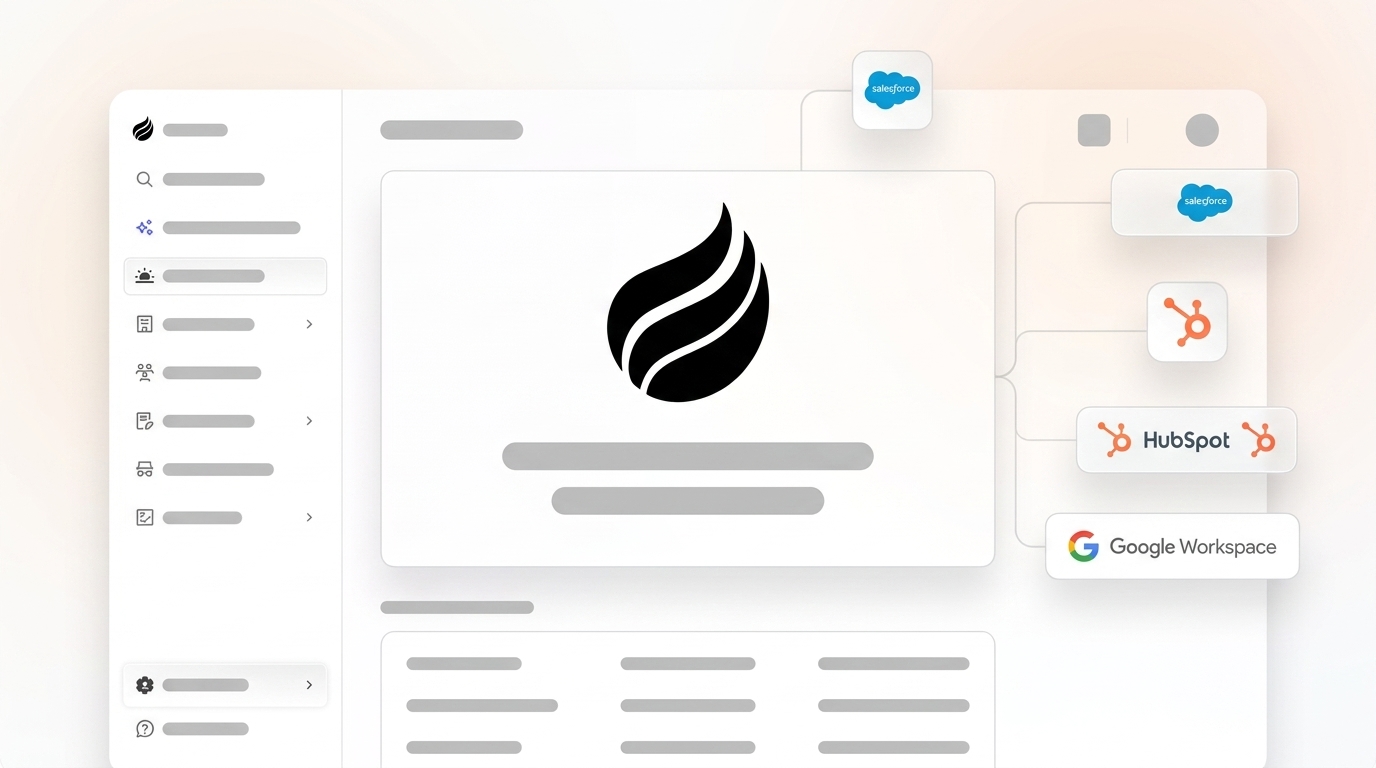
Already on Salesforce or HubSpot? Coffee deploys as a companion app. A single authentication allows the Coffee Agent to ingest emails, calendar events, call transcripts, and visitor signals, then write enriched contacts and activities back to your existing instance. No rip-and-replace is required.
Not yet on a CRM? Coffee operates as a standalone AI-first CRM. The agent auto-creates contacts from Google Workspace or Microsoft 365, logs every interaction, and runs outbound campaigns natively. This setup replaces the fragmented stack of enrichment tool, sequencer, and CRM.

The most critical evaluation criterion for teams without dedicated RevOps resources is whether a sales leader can configure the tool in days rather than weeks. Coffee’s pixel installs with a single script tag, and CRM sync activates on authentication.
Real Quora Objections and Direct Answers
Is Warmly’s person-level data actually useful? At typical 5–20% person-level match rates for U.S. traffic, the majority of identified visitors remain anonymous at the individual level. Any vendor claiming 80%+ match rates on anonymous traffic may be counting bot visits or already-known contacts. Coffee’s Suggested Leads feature sidesteps this ceiling by recommending the two or three most relevant contacts inside a visiting company based on your buyer persona, even when the individual visitor is not resolved.
Do these tools actually save time? Sales reps spend 60–70% of their average week on nonselling work like data entry and planning. A May 2026 Gartner report found that AI saves sellers 4.8 hours per week on average, and Coffee’s agent targets 8–12 hours saved weekly by eliminating manual contact creation, activity logging, and pipeline review prep.
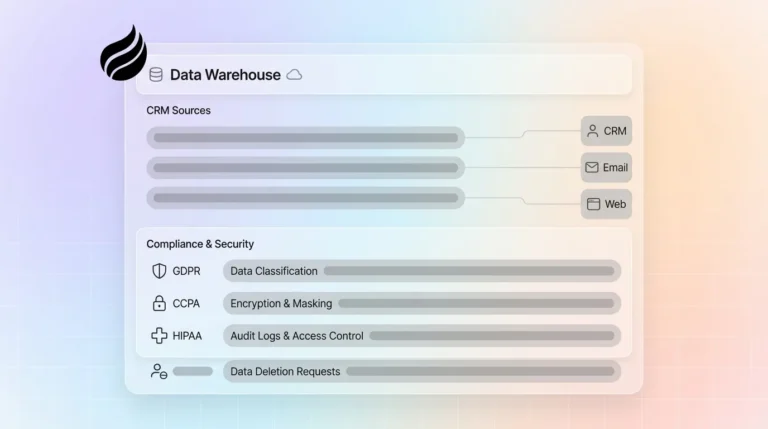
What about GDPR? Company-level IP identification is generally lower-risk and may rely on legitimate interest (or fall outside GDPR if non-personal) for B2B use cases, whereas person-level identification of individuals via IP addresses constitutes personal data requiring a lawful basis such as legitimate interest or consent. Coffee is SOC 2 Type 2 and GDPR compliant, and data is not used to train public models.
Coffee Case Study: How One AI Company Eliminated Spreadsheet Sales
A company generating tens of millions in revenue, building custom AI solutions, was managing its entire sales process in spreadsheets. Manual entry was not scaling. The team evaluated Salesforce and HubSpot but rejected both because they required too much human maintenance. The team also rejected Rox for lacking sufficient depth.
After deploying the Coffee Agent, the team eliminated its spreadsheet bottleneck through three immediate changes.
- Automated data in: Automatic contact creation from Google Workspace kept the CRM current without any human entry, directly addressing the manual entry problem that blocked growth.
- Actionable data out: With data flowing in automatically, Pipeline Compare generated weekly pipeline reviews and replaced manual CSV exports and interrogation-style meetings with a visual, agent-generated summary of progressed, stalled, and new deals.
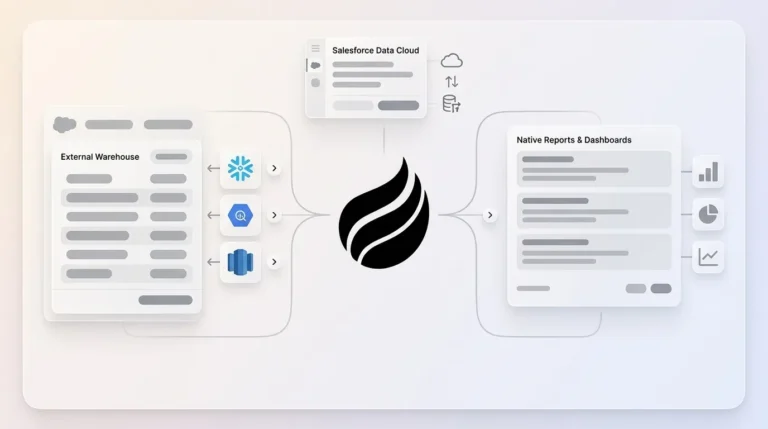
- Agent flexibility: API access allowed the team to script custom briefings on top of Coffee’s data warehouse, so they extended these automation benefits to bespoke use cases without leaving the platform.
Deploy Coffee’s agent and reclaim 8–12 hours per week for your sales team.
Decision Framework by Team Size and Stack
This checklist helps you match Coffee to your team size and current tools.
- 1–20 employees, no CRM yet → Coffee Standalone CRM.
- 20–500 employees, committed to Salesforce or HubSpot → Coffee Companion App.
- Need person-level visitor identification plus suggested contacts → Coffee, the only tool in this category with both.
- Need pipeline intelligence without a separate BI tool → Coffee Pipeline Compare.
- Need outbound sequencing without Outreach or Salesloft → Coffee Campaigns.
- Need prospecting without ZoomInfo or Apollo → Coffee Lead Finder.
- Require SOC 2 Type 2 and GDPR compliance → Coffee.
Frequently Asked Questions
How long does implementation take?
For the Companion App, implementation uses a single authentication step that connects Coffee to your existing Salesforce or HubSpot instance. The visitor identification pixel is a one-line script added to the head tag of your website. Most teams are operational within a single business day.
For the Standalone CRM, Coffee connects to Google Workspace or Microsoft 365 on authentication and immediately begins auto-creating contacts and logging activities. Teams starting fresh avoid lengthy configuration or data migration.
How does Coffee’s data quality compare with ZoomInfo?
Coffee’s enrichment data, including job titles, funding information, and LinkedIn profiles sourced via licensed data partners, is roughly on par with ZoomInfo for most B2B use cases. The meaningful difference is consolidation. ZoomInfo charges a separate subscription and operates as a standalone database that requires manual export into your CRM.
Coffee builds enrichment directly into the agent, so identified visitor records and Lead Finder results are enriched, logged, and ready for outreach inside the same system. No data transfer between tools is required.
Is Coffee SOC 2 and GDPR compliant?
Yes. Coffee is SOC 2 Type 2 certified and GDPR compliant. Customer data is not used to train public AI models. For teams in regulated industries or those managing EU traffic, Coffee’s compliance posture meets the standard requirements for B2B SaaS procurement.
Teams with multi-year security review requirements typical of large enterprises or heavily regulated sectors such as healthcare and finance should engage Coffee’s team directly to assess fit before purchasing.
Conclusion: Moving Beyond Raw Visitor Lists
Warmly and its closest alternatives stop at identification. They surface a company name or a raw list of people and leave the sales team to decide who to contact, how to prioritize, and how to move that data into the CRM without manual entry.
Forrester documents that AI agents in CRM operations qualify and route leads, generate outreach, and update CRM records, which results in measurably lower cost to sell. Coffee is the only visitor identification tool built on that agent architecture. It identifies the visitor, suggests the exact contacts to reach, and closes the loop into Salesforce, HubSpot, or its own CRM without a human acting as a data entry clerk.